Hello P6 Parents!
If you’re planning to get your child to practise past PSLE Science papers to help him/her gear up for the big PSLE year, you might have these questions about the latest 2025 PSLE Science paper:
- Which topics accounted for the most marks so that my child can focus on revising these topics if he/she lacks revision time?
- Which multiple-choice questions (MCQs) or structured/open-ended questions (SQs/OEQs) are most special or challenging, and how can my child solve them?
If you have these questions in mind, keep on reading as I will be answering them in this blog post!
2025 PSLE Science Examination Paper Topic Weightage
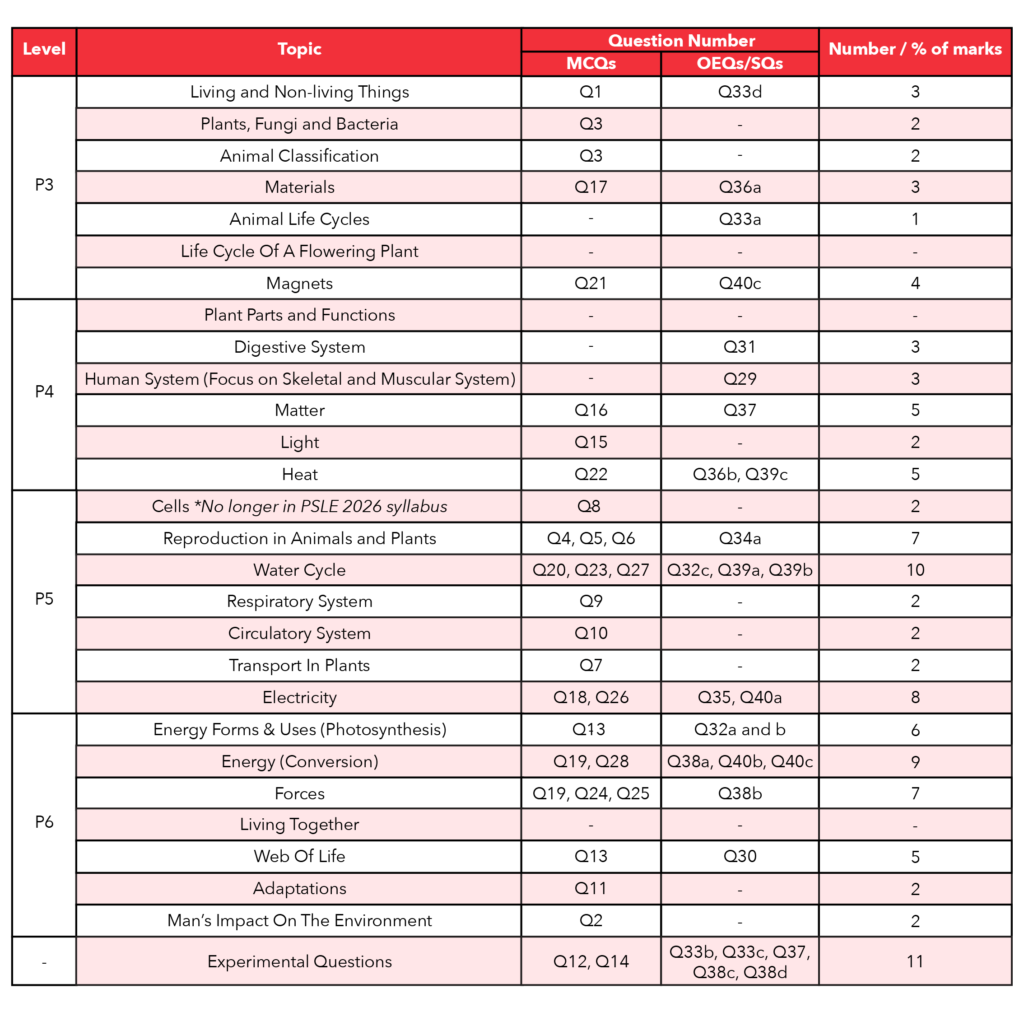
We’ve summarised the 2025 PSLE Science topic weightage in the table below.
For your convenience, we have also indicated the question numbers for each topic to help you easily identify the appropriate questions to practise with your child for your preferred topics.
Let’s focus on this summary table of the top 10 topics with the highest mark weightage:
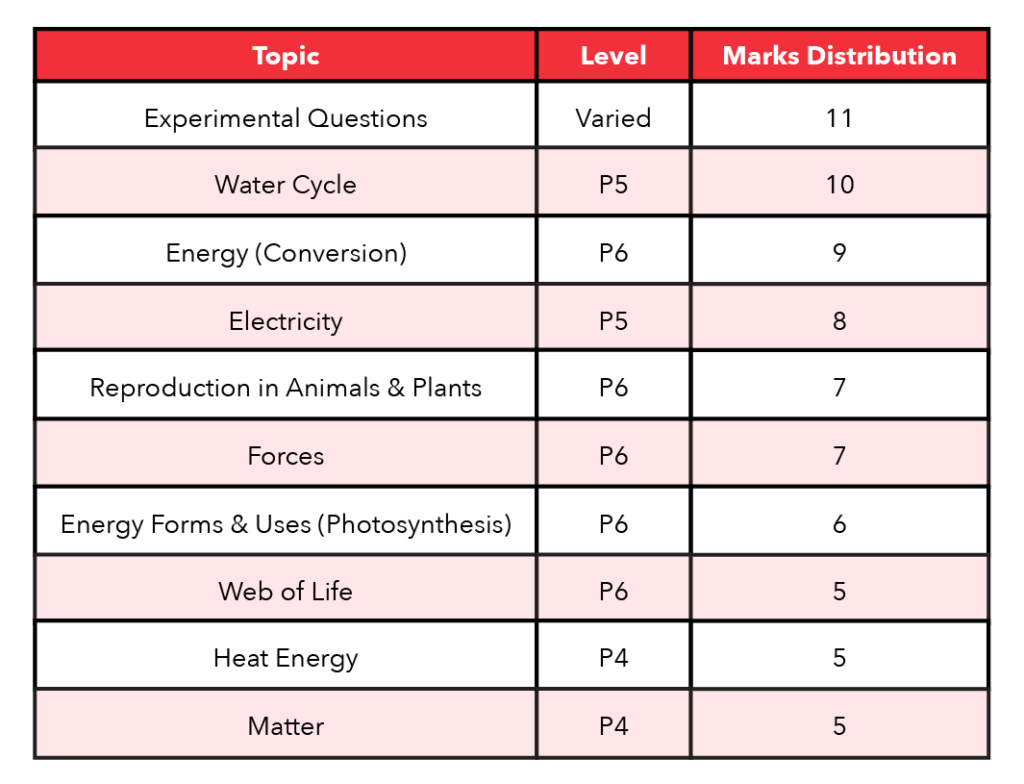
Key Insight 1: The highest mark weightage came from P5 and P6 topics.
So if your child doesn’t have enough time to revise all topics before the PSLE Science paper, focus on:
- P5 & P6 topics
- P4 topics
- P3 topics
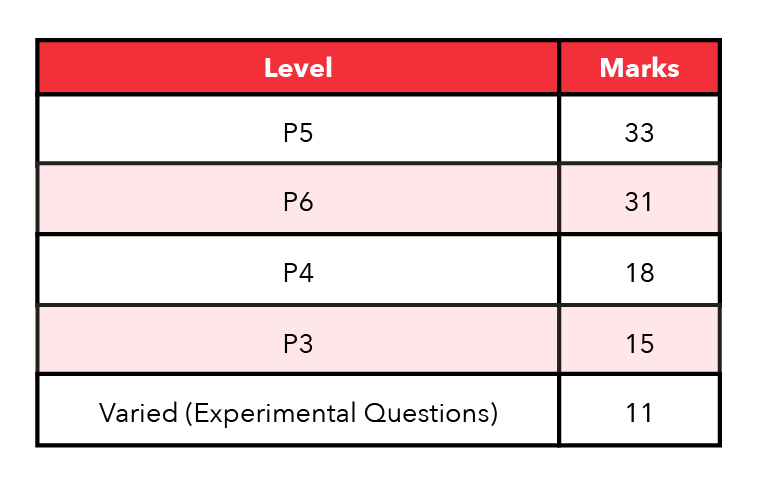
Key Insight 2: Don’t neglect experiment-based questions!
Experimental questions have been taking up a large percentage of marks in PSLE and school Prelim papers!
This is why understanding and answering these experimental questions is very important to do well in the PSLE Science paper:
- State the aim of an experiment
- State / Explain the relationship between the changed and measured variables of an experiment
- Explain how we ensure a fair test in an experiment
- Explain how we ensure reliable results in an experiment
- Understand the difference between a hypothesis and a conclusion and how to state them correctly
- Identify a control setup and explain its purpose
- Describe the steps required to conduct an experiment
If your child is struggling with the above question types, fret not! You can sign him/her up for The Pique Lab’s Experimental Techniques Masterclass to help him/her answer them and score better for PSLE Science!
Special & Challenging Questions In The 2025 PSLE Science Examination Paper
Here’s a list of the more special and challenging questions that your child can attempt to assess his/her ability to tackle higher-order questions.
🌟 What Are Higher-order Questions? 🌟
🔎 Questions where students are more likely to make careless mistakes.
🔎 Questions with unfamiliar contexts, requiring your child to think carefully and identify the concepts needed to answer the question correctly.
Multiple-Choice Questions
- Q6
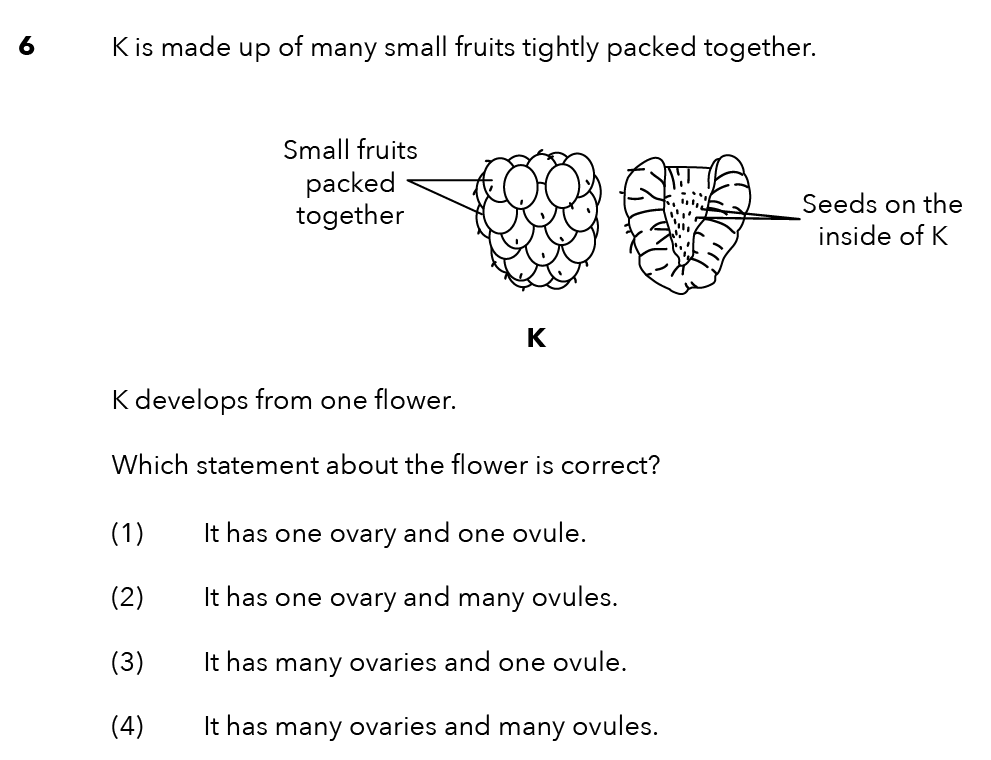
-
Q19
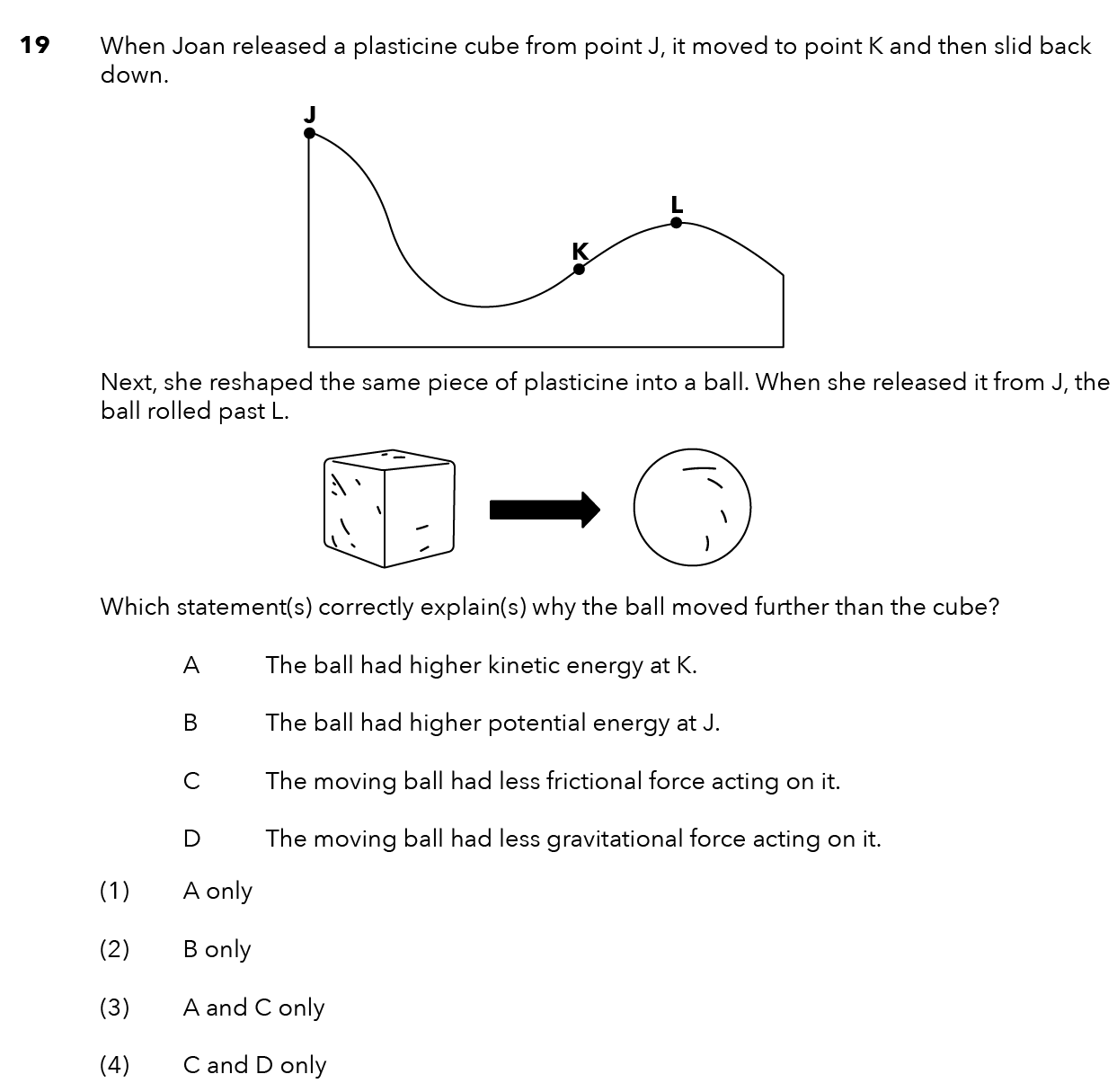
-
Q20
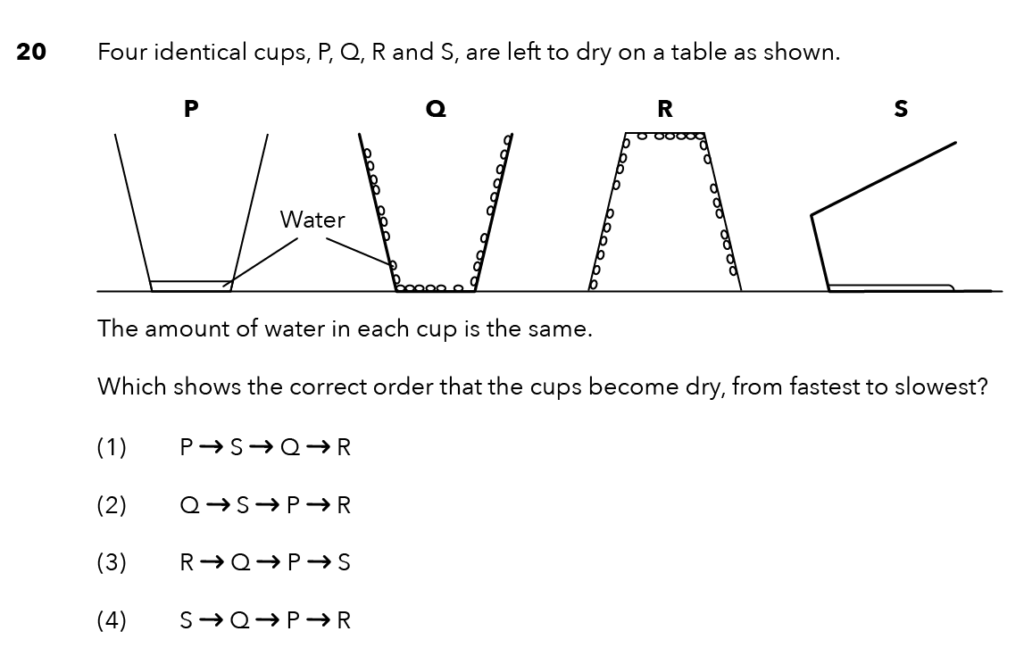
-
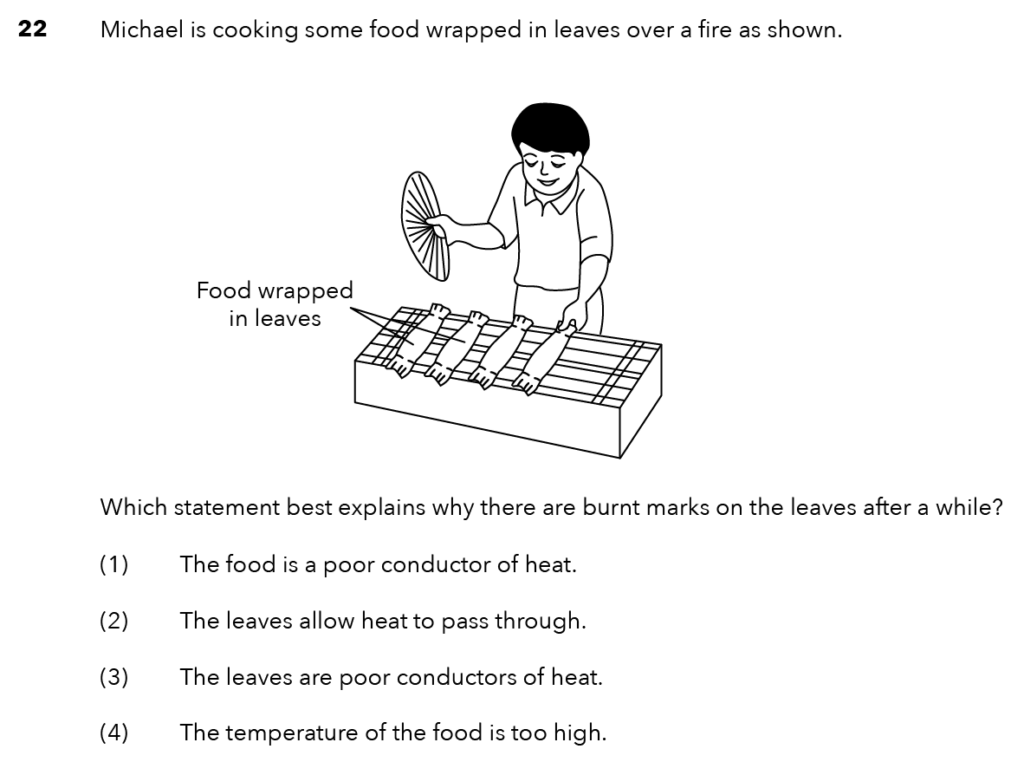
Q22
-
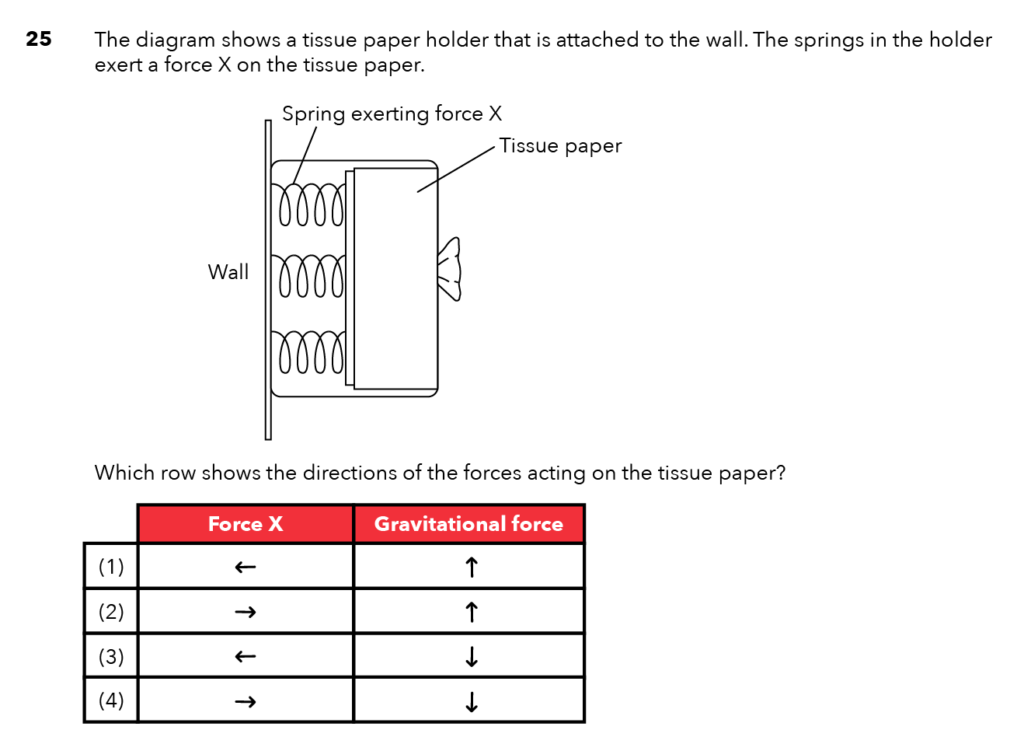
Q25
Open-Ended/Structured Questions
-
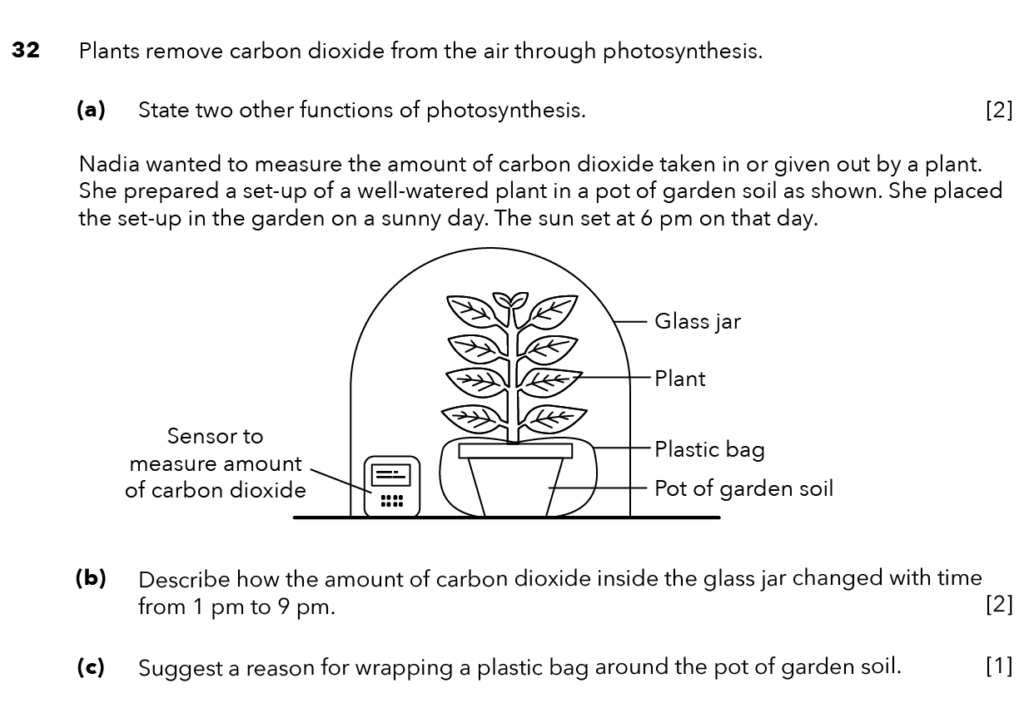
Q32c
-
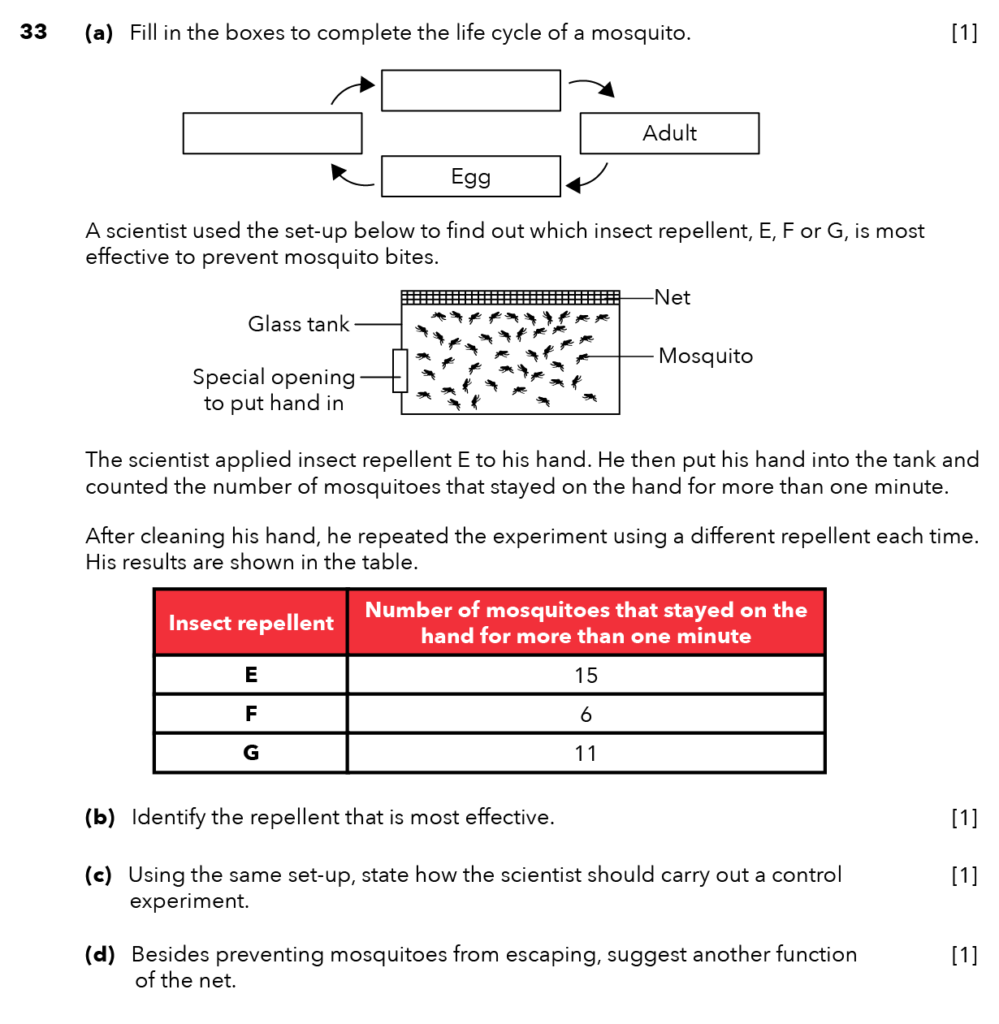
Q33d
-
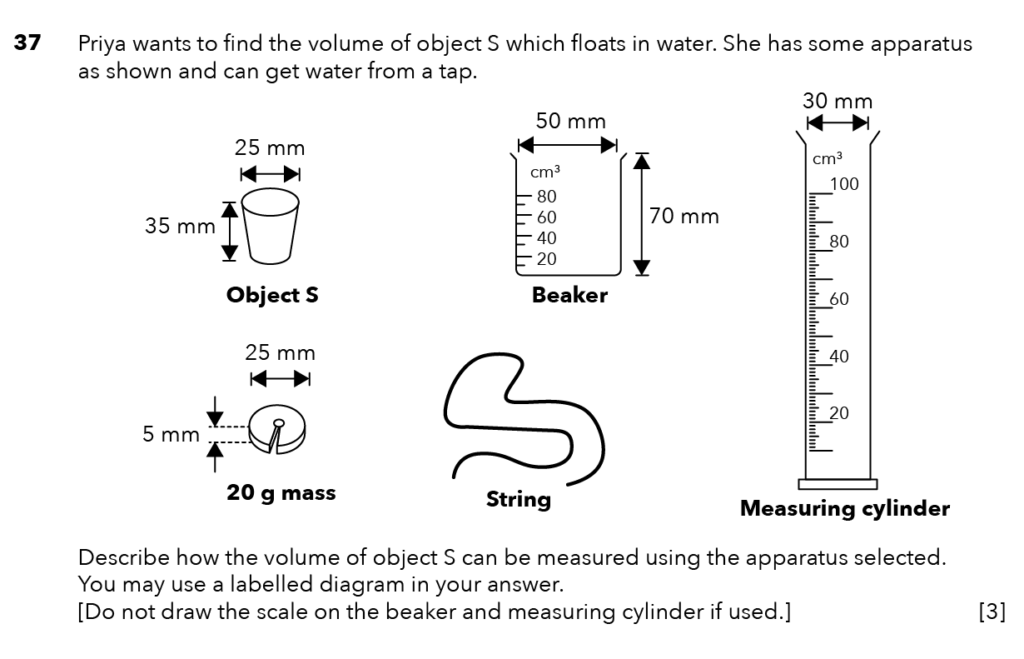
Q37
-
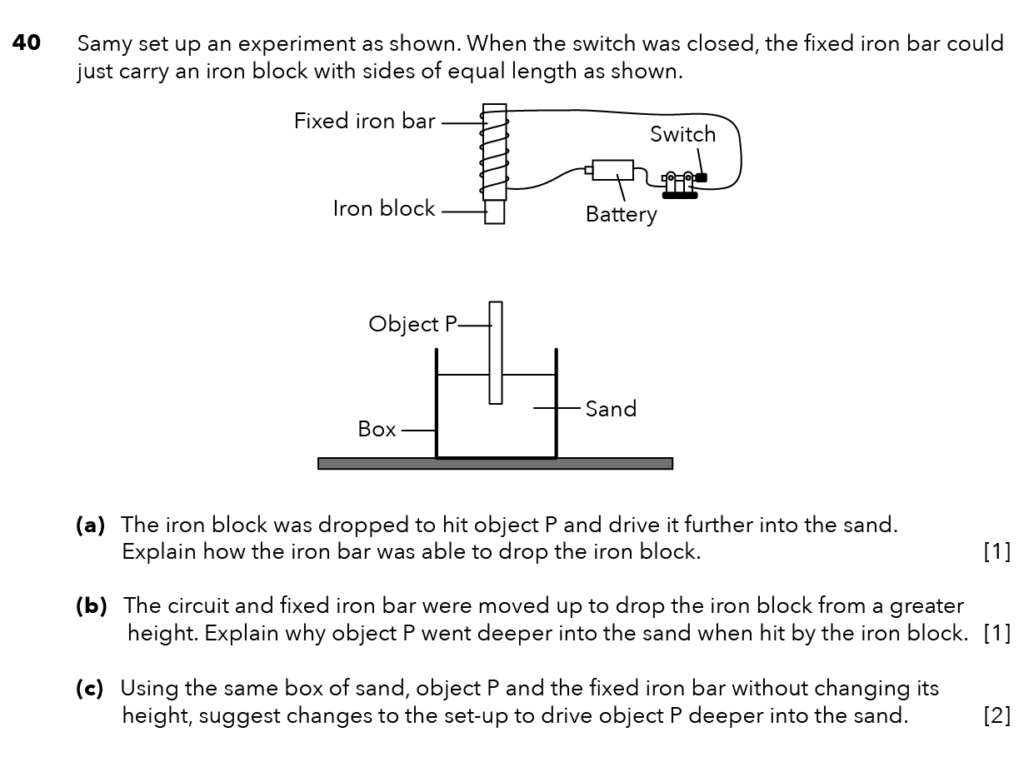
Q40c
In-Depth Analysis Of 2 Special & Challenging Questions From The 2025 PSLE Science Examination Paper
From the list of special & challenging questions above, we will be discussing 2 questions (Q22 and Q40c).
Analysis of MCQ Q22
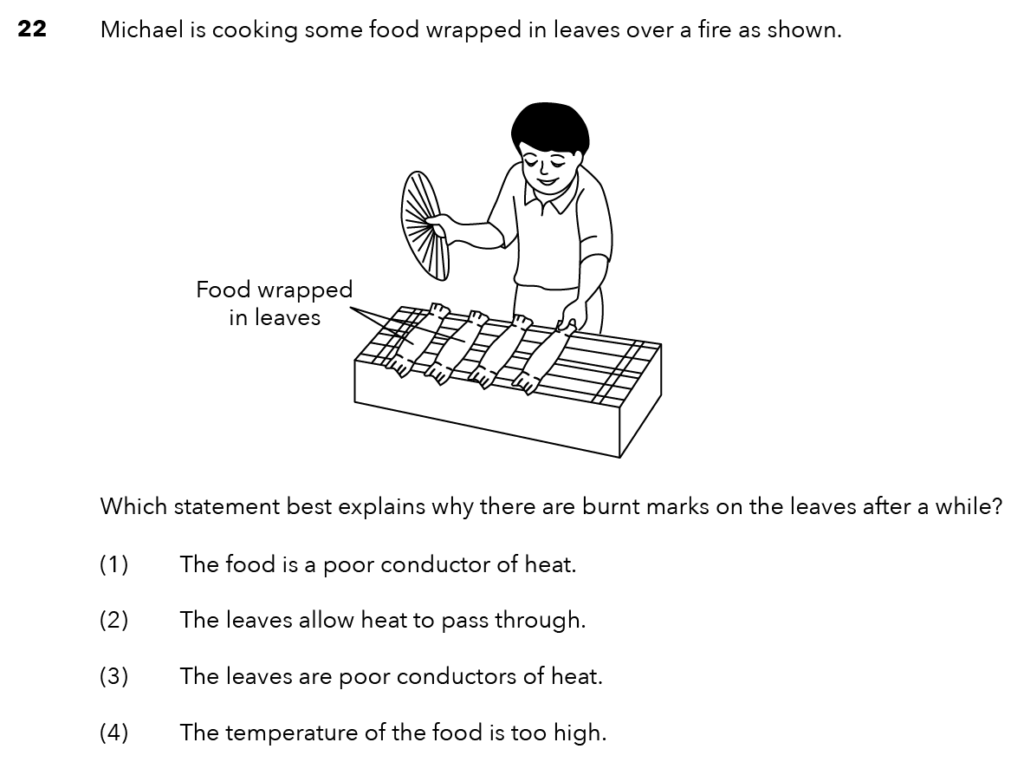
Widely termed as the “Otah” question, Q22 was the most hotly debated MCQ question in the 2025 PSLE Science Paper.
Most students understand that options (2) and (4) are definitely wrong, but they are unsure whether to choose option (1) or (3) as the correct answer.
As such, we will be focusing our analysis on whether option (1) or (3) is the correct answer.
A common pitfall for students answering real-life application MCQs is overthinking the underlying Science concepts, which often leads to confusion.
Tip #1: To solve real-life application MCQs with ease, ask your child to follow these 3 steps!
- Think of the opposite scenario for each option.
- Link it back to logic or his/her real-life experience
- Ask: Does this make sense?
Case 1: If your child thinks option (1) is correct, this means that he/she believes that if the food inside the leaves were replaced with a good conductor of heat (e.g., a piece of metal, such as wrapping a metal fork in a banana leaf over a strong fire), there would be no burnt marks on the leaves.
Let’s consider this: Based on logic and real-life experience, does this make sense?
No! We know the banana leaf would still burn. So option (1) is wrong.
Case 2: If your child thinks option (3) is correct, he/she believes that if the leaves were replaced with a good conductor of heat (e.g., wrapping the same food in a metal sheet, such as aluminium foil when barbecuing potatoes or fish), there would be no burnt marks on the metal sheet.
Ask your child to think about the last time he/she barbecued food wrapped in aluminium foil or watched someone barbecue food wrapped in aluminium foil. Based on that experience, does this make sense?
Yes!
So, Case 2 represents the correct scenario, and option (3) is the correct answer. 😊
Let’s deep dive into the Science concepts that make option (3) the correct answer.
After the leaves (the area that is in direct contact with the strong fire) gain heat from the strong fire to become hotter, heat will be conducted away from the hotter part of the leaf to the cooler part of the leaf. Since the leaves are poor conductors of heat, heat will be conducted away from the hotter part of the leaf to the cooler part of the leaf at a very slow rate. This means that there will be a lot of heat that is built up at the hotter part of the leaf, which eventually results in the hotter part of the leaf being burnt!
Analysis of OEQ/SQ Q40c
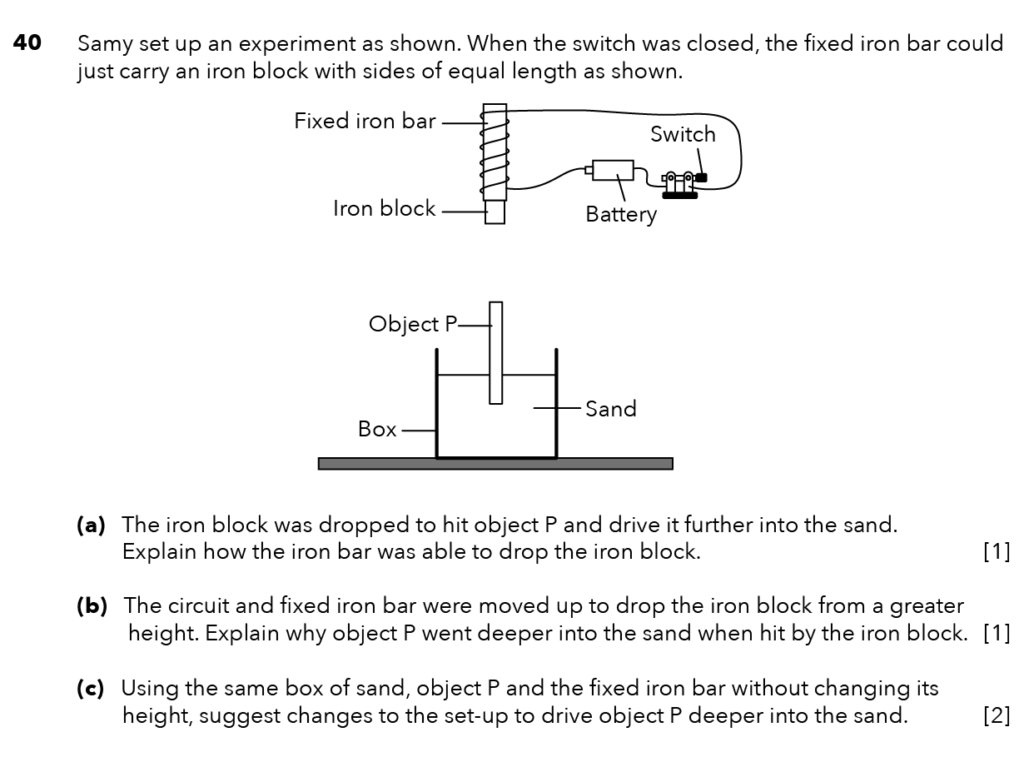
While most students would get Q40c right, some would lose marks due to careless mistakes, especially when they did not read the question carefully or the annotations are incomplete.
Before we address the potential careless mistakes and how to avoid them, here’s a tip to approach structured/open-ended questions smarter:
Tip #2: Identify the topic(s) tested in each structured/open-ended question!
Doing this helps your child apply the relevant concepts, template answers or answering structures to tackle the question! 😀
What are the 2 key topics tested for Q40c? They are (Electro)magnets and Energy conversion!
Based on the 2 topics above, how do we explain why the iron block can drop down, hit object P and drive object P into the sand?
Step 1 (Electromagnet concept): When the switch is open, there will be an open circuit. The electromagnet will be demagnetised and cannot attract the iron block anymore, causing the iron block to fall off the iron bar.
Step 2 (Energy conversion concept): When the iron block falls down, the (gravitational) potential energy (GPE) of the iron block will be converted to kinetic energy (KE), which is then transferred to object P, causing object P to move into the sand.
To drive object P deeper into the sand, from step 2, we know that object P needs to have more KE. To allow object P to have more KE, once again from step 2, we know that the iron block needs to have more GPE at the start.
How can the iron block have more GPE? Recall the two factors that affect the amount of GPE:
1. Mass of the object
AND
2. Height of the object above the ground
The greater the mass and the greater the height above the ground, the greater the amount of GPE the object has!
Thus, many students might write this answer: “Drop the iron block from a greater height above the ground.”
While the answer above sounds right, the student would actually be awarded zero marks! 😢 Why is that so?
Let’s read Q40c carefully again!

The question specified “without changing its height”! Do you see the mistake now?
While the above answer demonstrates the correct Science concept, it doesn’t follow the condition stated in the question.
To avoid such careless mistakes and lose unnecessary marks, here is our next tip for your child:
Tip #3: If the question mentions conditions that must be kept the same, underline them and cross them out!
Refer to the example below! 😀

Let’s look at the other factor affecting GPE: mass.
For the iron block to have more GPE, we can also change it to an iron block with a larger mass!
Before writing down this answer, let’s do a quick check again with Q40c!
Did the question specify that we have to use the same iron block? No! So is this answer acceptable? Yes, definitely! 🎉
However, do you think your child will be awarded the full marks for this answer?
The answer is no! Only one mark will be awarded for this answer as it is incomplete!
Let us share with you one more tip for today:
Tip #4: Circle the number of marks or keywords in the question to identify the number of marking points required to score full marks!

Since there are 2 marks allocated for Q40c, we can infer that 2 marking points are required for a complete answer!

Alternatively, since the question asked to suggest changes (plural) to the set-up, it means that your child must suggest 2 or more changes to the set-up for a complete answer!
What is the other marking point (besides using an iron block of larger mass) that we are missing?
Let’s think about this: If we change to an iron block of larger mass, will the electromagnet still be able to carry the iron block?
To confirm this, we’ll share one last tip!
Tip #5: Underline any key information in the question to locate it quickly!
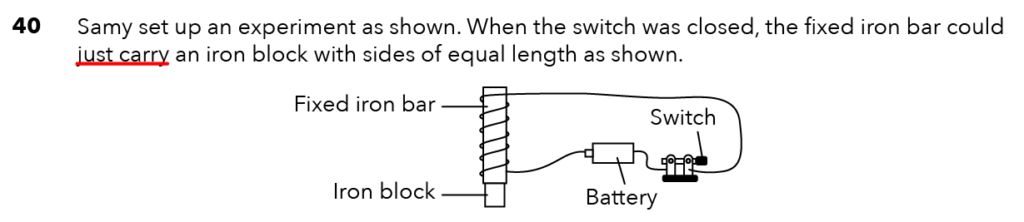
Since the question said that the electromagnet could only just carry the iron block in the original set-up, do you think the same electromagnet can still carry an iron block of larger mass? The answer is NO!
How can we make the electromagnet stronger so that it can still carry the iron block of larger mass?
Referring back to tip #2 above, recall the two methods to make the electromagnet stronger:
- Add more batteries (in the circuit).
- Add more turns of wire around the iron bar.
Before writing either of the above answers, recall tip #3 above as well.
Did Q40c specify that the number of batteries or the number of turns of wire must be kept the same? No! Can we write either of the answers above? Yes!
Thus, the complete answer for Q40c will be as follows:
Add more turns of wire around the iron bar / Add more batteries to the circuit AND Change to an iron block of larger mass.
Moving Forward
We hope you found this blog post insightful, especially the techniques and good exam habits your child can adopt to do well in his/her Science exams!
All the best for your child’s revision and stay tuned for more helpful PSLE Science blog posts! 😊
If you like our methodology, we’ve some ongoing weekly Science classes: